Six months after struggling to find its footing, JFK High School’s automotive program is gaining traction with new equipment, real vehicles and students increasingly stepping up.
Automotive instructor JB Polanco says the program is slowly gaining momentum. He also told the Clarion that Auto Shop is getting ready to “catch their stride” soon.
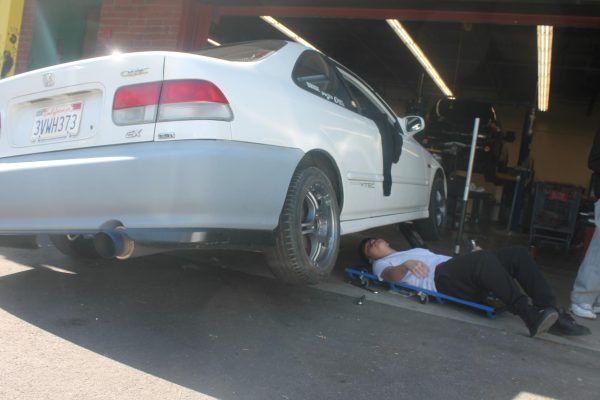
“One of the biggest improvements has been the arrival of vehicles and new equipment…” Polanco said, “Last semester, the class had little to no cars to work on, which made hands-on learning difficult. Today, the shop now has several training vehicles available for students. Currently, I have three vehicles that came from the Bureau of Automotive Repair. I’ve also received a Switch lab vehicle, which is a hands on work based learning project to be completed by students.”
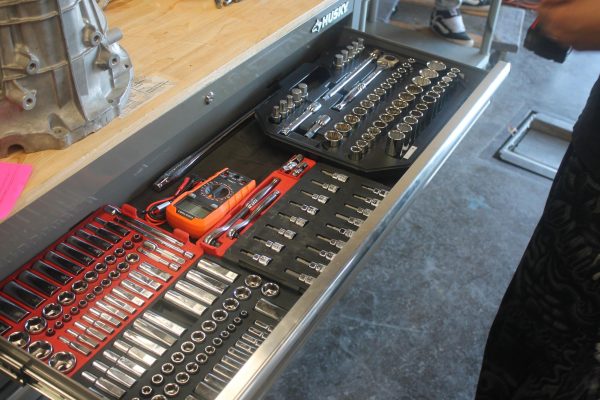
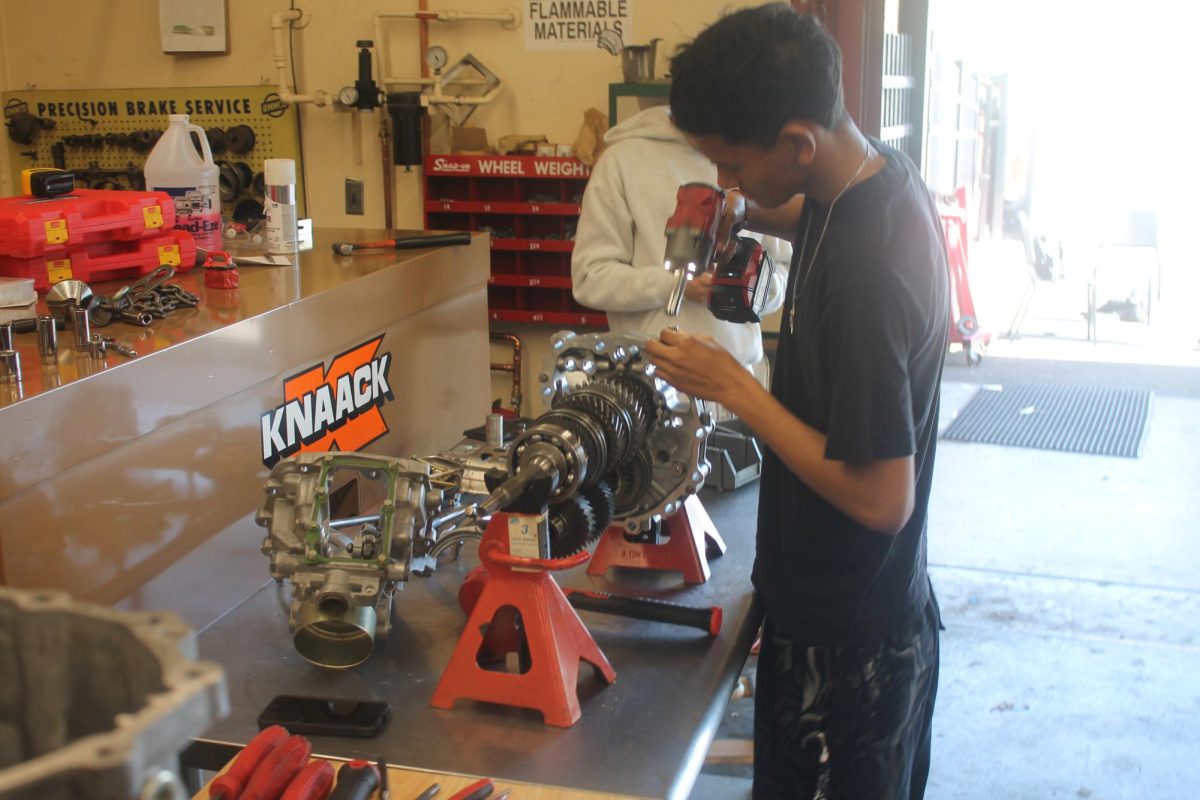
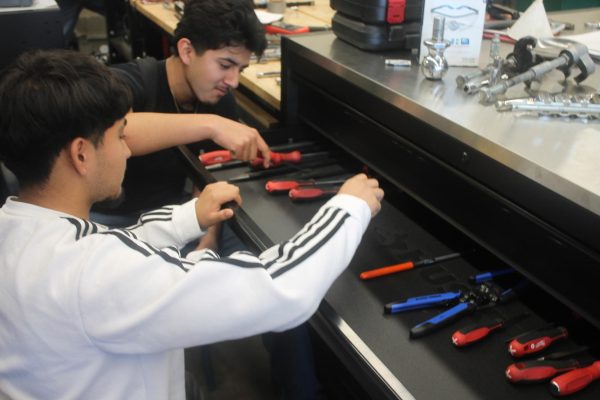
Along with the vehicles, the program has received a large shipment of tools and diagnostic equipment. According to Polanco, the shop is now much better prepared for real automotive work.
“I got a lot of new toolboxes, a lot of new hand tools, some diagnostic scan tools, an oscilloscope and some multimeters,” he said. “I think we’re pretty well stocked as far as tooling goes.”
The increased equipment has allowed students to spend more time doing practical work rather than just classroom learning.
“Slightly more time is being spent in the shop now because we have the additional vehicles,” Polanco said. “Some classes are also using a new curriculum to build foundational skills before moving on to more advanced projects.”
Students themselves have noticed the improvement in opportunities for hands-on learning. Senior Steven Vera believes the program is finally becoming what it was meant to be.
“I think the program is about getting your hands dirty,” Vera said. “And the people who want to do that are finally getting the chance.”
Another student, Jesse Rodriguez, pointed out how quickly the shop has begun improving.
“I like the progress we’ve been able to make in such a short amount of time,” Rodriguez said.
Student engagement has also started to improve compared to last semester. While Polanco previously described the program’s unproductive reputation as “valid,” he now believes the situation has improved.
“I think it’s about 50-50 now,” Polanco said. “There are still some students who do absolutely nothing but show up, but the number of students actually engaged in work has increased steadily.”
Polanco believes access to real equipment has played a major role in this change.
“Just having the actual vehicles here and some of the diagnostic tools… gives them something to work on instead of me scrambling to keep them busy,” he said.
The program has also secured resources that will support future classes. A major development was receiving a Switch vehicle, which will serve as a capstone project for second year students in the future.
“That’s going to be the major project,” Polanco states. “Like the final hurrah for second year students.”
Additional training equipment is also on the way, including two hybrid vehicle training boards based on Toyota Prius systems. These diagnostic boards will help students learn the fundamentals of hybrid technology as the program continues to develop its focus on modern automotive systems.
Not every planned partnership has gone smoothly, however. The EV conversion project that was discussed last semester has stalled after communication with the supplier ended.
“The company that sold it to us initially said they would help,” Polanco said. “Since then, contact has kind of ceased.”
Despite some setbacks, Polanco believes the biggest win over the past six months has been securing funding and equipment that will support the program long-term.
“Using the funds from the strong workforce grant and getting the equipment and tools we need,” he said. “That was a big boost to the program.”
Looking ahead, Polanco expects the program to continue growing as more students move through the pathway and more equipment becomes available.
“I see it moving forward. I see more students being engaged,” he said. “Next year, it should be a much smoother process.”
While the shop may still be developing, the progress made in just a few months suggests the automotive program is beginning to find its rhythm one tool, one project, and one motivated student at a time.