






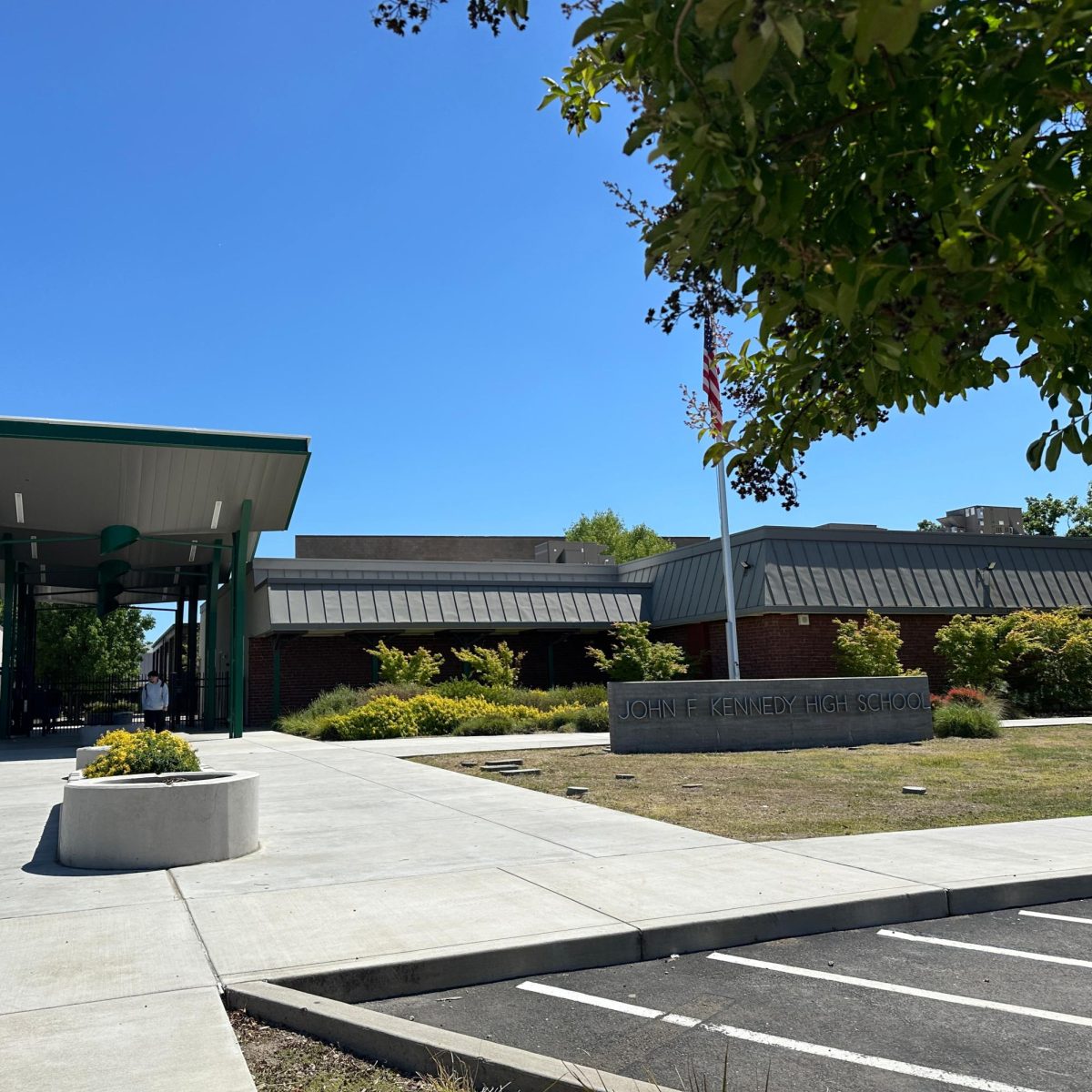
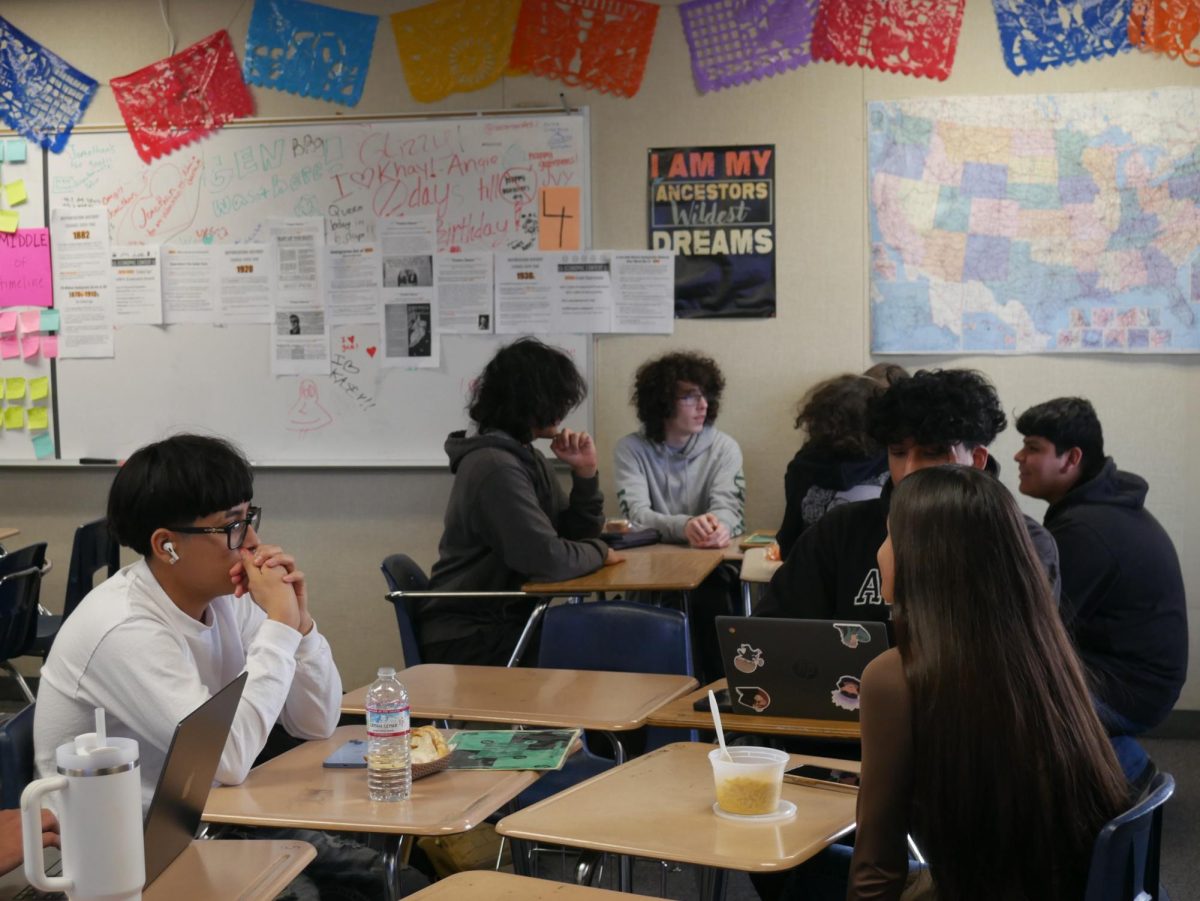
As Immigration and Customs Enforcement (ICE) continues to enforce federal immigration laws that affect immigrant families, members from Brown issues club at Kennedy High School share how these actions impact their lives.
For some students in the club, the situation feels deeply personal. Dorcas Rojop shared that the issue has created fear and stress at home.
“I feel personally angry about the ICE situation because it’s affecting me personally,” Rojop said. “My family is worried about going out, even to the stores.”
Steven Vera expressed concern about the actions of ICE itself.
“I think ICE is not doing their job ethically,” Vera said. “Like hurting the people they detain.”
Despite fear and anger, students also described a growing sense of unity. Dorcas Rojop notes this as well in an interview.
“The community that is supporting immigrants is growing stronger,” Rojop said. “Especially with students and young adults.”
Sophia Moran shared a similar belief, emphasizing the importance of unity.
“I believe the community grows stronger due to the need to fight together,” Moran said. “Because if we don’t come together no change will happen.”
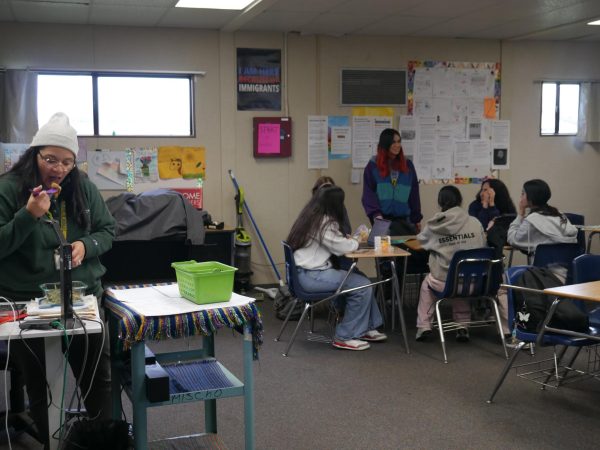
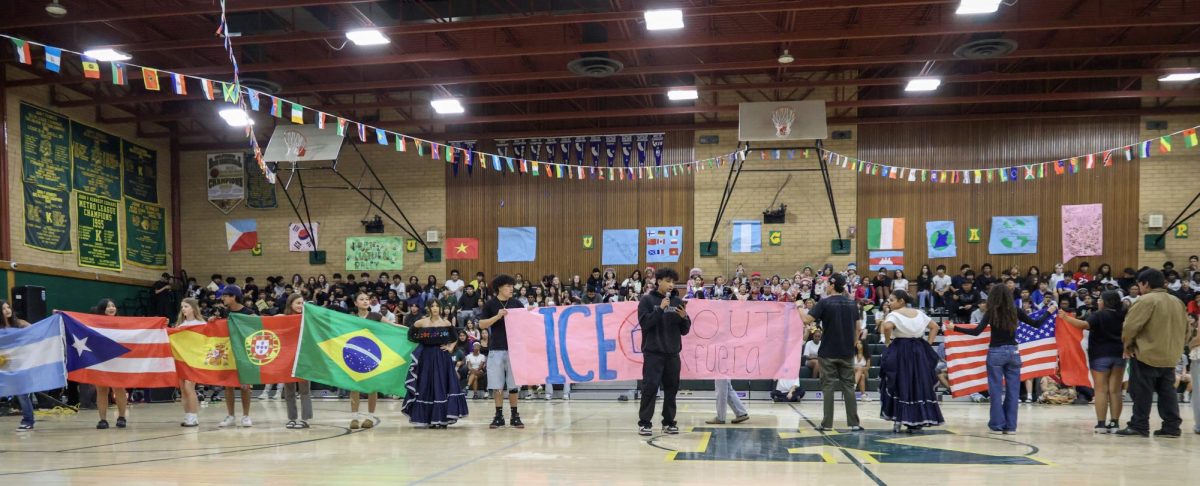
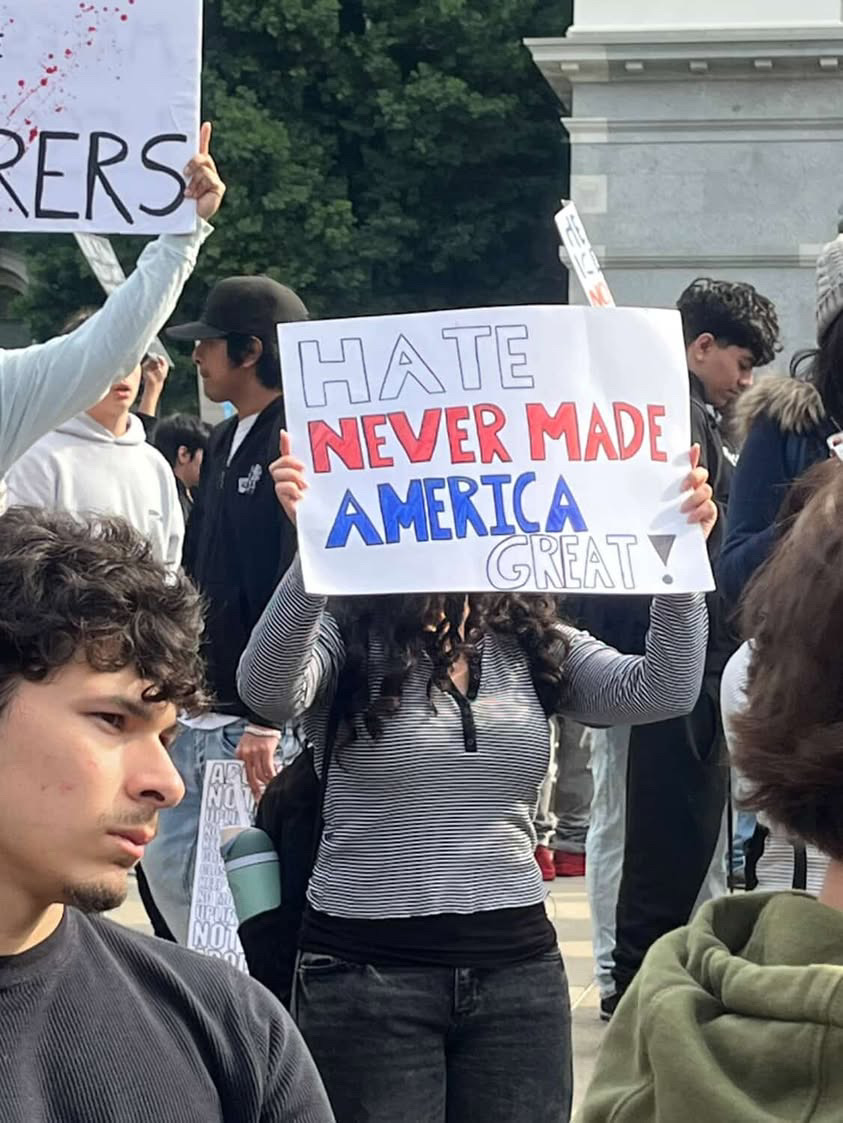
When asked about participation in the student walkout on Jan 30, not all students were able to attend, but many still found ways to support.
Rojop shared that she chose not to walk out due to family concerns.
“I didn’t walk out on Friday because of the fear that my family has,” Rojop said. “But I did make 20 posters for students that did go to the walkout.”
Vera and Moran also stated that they did not participate in the walkout, though Moran added saying she knew people who did. Even so, both acknowledged the impact the event had on them.
“The walkout still had a strong impact on the students,” Vera said. “Even those who did not attend. The walkout on Friday did inspire me to speak up about my opinions on ICE and what they’re doing.”
Rojop also shared something similar, saying she felt inspired by the amount of people that went out to support.
Moran pointed to the importance of student involvement, saying the walk out showed “the immense importance that a problem was so large and unjust, high schoolers formed a way to fight back without adult organization.”
(Additional reporting Miguel Gamino)
Update Mar. 16, 2026 at 11:59 a.m.: A previous version of this article misspelled Dorcas Rojop’s first name as “Dorca.” The story has been updated to reflect the correct spelling.